What're your opinions with regards to Expert Tips for Managing a Plumbing Emergency Until Help Arrives?
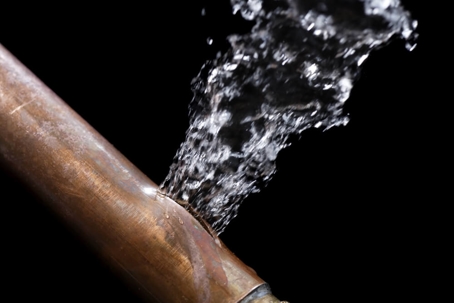
Plumbing emergency situations can strike any time, creating stress and anxiety and potential damage to your home. Whether it's a burst pipe, a clogged up drainpipe, or a leaky faucet, knowing how to manage the situation up until an expert plumbing technician shows up can save you from further complications. This article provides important emergency plumbing pointers to aid you minimize damages and reclaim control throughout a pipes dilemma.
Shut off the Supply Of Water
The initial step in any plumbing emergency is to shut off the water. For local concerns, such as a dripping faucet or commode, switch off the shutoff near the fixture. In the case of a major leakage or ruptured pipeline, find your home's main water shut-off valve and transform it off quickly. Recognizing the location of these shutoffs ahead of time can save important time during an emergency situation.
Shut down Your Hot Water Heater
In specific emergencies, such as a ruptured pipe, it's important to shut down your hot water heater. This avoids overheating or damages to the system when water stops moving. Turn off the power supply to the hot water heater (electric or gas) and let it cool to avoid possible dangers.
Briefly Stop a Ruptured Pipe
A burst pipeline can result in significant water damages in minutes. To alleviate the problem:
- Clamp or Wrap the Pipeline: Utilize a pipeline clamp, rubber, or air duct tape as a short-term seal.
- Draw Away Water Circulation: If possible, draw away the water into a pail or container to limit damage to bordering areas.
- Maintain the Area Dry: Usage towels or a wet/dry vacuum cleaner to remove standing water.
- Call a specialist plumbing quickly to resolve the issue permanently.
Have an Emergency Situation Plumbing Package
Prepare a basic pipes emergency package to deal with minor concerns efficiently. Your package needs to include:
- Flexible wrench
- Plumbing technician's tape
- Pipeline clamps
- Towels and dustcloths
- A plunger
- Epoxy putty
- Pail.
- Having these tools accessible can make a significant difference in your capability to take care of emergencies.
Unclog Drains Pipes Safely.
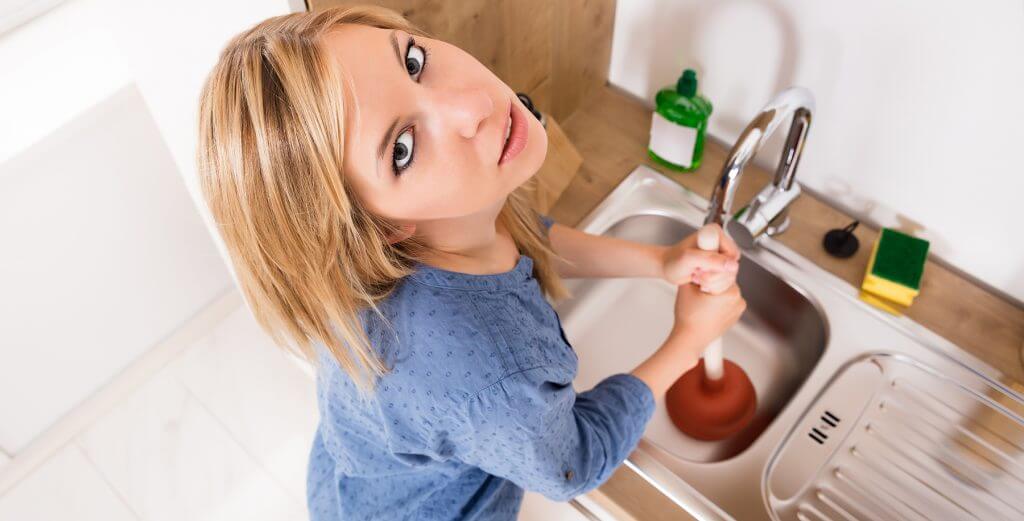
A stopped up drain can be a discouraging and unpleasant problem. Below's just how to tackle it:. - Use a Bettor: For sinks or commodes, a plunger can commonly remove small obstructions. Guarantee you use the appropriate sort of bettor for the component.
- Hot Water and Meal Soap: For grease-related obstructions, pour a blend of warm water and dish soap down the tubes to separate the grease.
- Avoid Chemical Drain Cleaning company: While alluring, chemical cleansers can cause more damage than excellent, especially to older pipes.
- If these techniques do not work, avoid utilizing too much pressure, as it might worsen the blockage.
Handle Overflowing Toilets.
An overruning commode can cause immediate turmoil. Below's what you need to do:. - Stop the Water Flow: Eliminate the container lid and push down on the flapper shutoff to quit water from getting in the bowl. Turn off the supply of water to the bathroom if needed.
- Dive Delicately: Make use of a commode bettor to get rid of the blockage, but prevent aggressive plunging, which can trigger spilling or additional damages.
- Have the Spill: Usage towels or a wipe to tidy up water promptly to stop floor covering damage.
Address Small Leaks with Temporary Fixes.
Small leakages can promptly come to be substantial troubles if left unchecked. Use these temporary fixes until professional aid gets here:.
- Pipeline Tape or Epoxy Putty: Use water-proof tape or epoxy putty to temporarily seal the leak.
- Rubber and Clamp Method: Wrap an item of rubber or an old internal tube around the leakage and safeguard it with a pipe clamp or air duct tape.
- Containers or Towels: Location pails under the leakage to consist of water and stop damage to flooring or furniture.
- While these fixes aren't irreversible, they can aid lessen water loss and damages.
Deal With Frozen Pipeline Carefully.
In chillier climates, frozen pipelines are an usual emergency situation. If you think a frozen pipe:. - Switch off the Water: Turn off the primary supply of water to avoid a burst pipe.
- Defrost Gradually: Utilize a hairdryer, heating pad, or cozy towels to thaw the pipeline slowly. Avoid open fires or severe warm, as these can damage the pipeline.
- Inspect for Leakages: Once the pipe is thawed, look for fractures or leaks prior to transforming the water back on.
Know When to Call an Expert.
While quick fixes can help momentarily, specific pipes problems require prompt expert attention. Call a plumbing professional if:.
- A ruptured pipe creates substantial flooding.
- Drains or commodes stay clogged regardless of your initiatives.
- You discover persistent leakages or water pressure concerns.
- Your water heater is dripping or malfunctioning.
- Immediately contacting a specialist guarantees the concern is resolved properly and prevents additional complications.
Stop Further Damages.
Taking quick activity to minimize damages can conserve you time and money over time. Below's exactly how:. - Relocate Valuables: Remove furnishings, electronics, and various other items from the afflicted area.
- Use Sandbags: For flooding circumstances, location sandbags around the location to reroute water.
- Shut Off Electrical energy: If water has reached electric outlets or appliances, switch off the electricity to avoid shocks or fires.
Verdict.
Plumbing emergencies can be frustrating, yet with the best understanding and devices, you can manage the circumstance properly until assistance gets here. By turning off the water system, addressing small leakages, and utilizing momentary fixes, you can reduce damages and maintain your home safe. Remember, these suggestions are momentary remedies; always seek advice from a qualified plumbing technician to take care of the root cause of the problem. Preparation and fast reasoning are your ideal allies in any plumbing emergency.
8 Helpful Tips for Managing Plumbing Emergencies at Home
If your plumbing system hasn’t failed once, wait for it because almost everyone has a story to tell. Sometimes, it could be simple emergencies such as a leaking pipe, a blocked cistern, or even a big burst pipe. In situations like this, you need to have some handy tips to save you some money and from possible damages.
Take care of minor issues early.
Sometimes, you could have avoided an emergency by taking proactive measures while it was still early. Some major plumbing emergencies can be a result of an ignored minor issue. We recommend that you have items like plumbing tapes and other related items. A plumbing tape can allow you to manage minor leaks before the plumber arrives.
Cut off the water supply.
This tip is essential in almost any type of leakage problem. For problems like minor leakages in the toilet or kitchen, turn off the supply that takes water to the affected pipes. If the leakage is a major pipe, you must shut off the supply valve to the entire building. This will help you avoid flooding your home and neighbors if you share a flat.
Know your plumbing system
Folks typically move into a new apartment without understanding the water supply around the building. This can prove disastrous if a water emergency arises and the plumber is far away. The previous tip will prove useless if you don’t practice this one. More importantly, know where your water shut-off valve is located – you’ll need that knowledge to prevent potential home floods.
Have some common handy tools
There are lots of plumbing emergencies that you can handle without hiring a plumber. That’s why you must keep some tools available always. Some tools that you can use to fix simple plumbing emergencies easily include plumbing tapes, screwdrivers, thread seal tapes, plungers, pliers, tape measures, and rubber gloves.
Insulate your pipes from cold
You’ll save yourself from many plumbing expenses if you protect your water pipes from the cold. This is because of the harmful effects that cold weather can have on your pipes. During winter, your pipes can burst from being overly expected to freezing temperatures. So, make sure insulators are there to keep the pipes working correctly.
Avoid practices that will clog your toilet.
Many people indulge in practices that can damage the plumbing system of the entire building. One of these is when they use their toilet to dispose-off garbage. They flush all kinds of things, such as paper towels, bandages, hairs, female sanitary products, etc., down the toilet. This will block your toilet in the long run, incurring unnecessary expenditures. Dump such waste in the trash instead.
Check your dials regularly.
Sometimes, there could be leakages in your home without noticing them in time. So, constantly monitor your water meter dial. If the dial is reading when there is nobody using water, this is an indicator that there is leaking. Check for leaks immediately. Call a plumber as soon as possible if you can’t find any.
https://www.constructionplacements.com/8-helpful-tips-for-managing-plumbing-emergencies-at-home/
I ran across that entry on Expert Tips for Emergency Plumbing Repairs when doing a search on the web. So long as you appreciated our post please consider to pass it around. Thanks a lot for your time invested reading it.
Request Free Estimate
Comments on “Immediate Solutions for Emergencies: Actions to Take Until Help Arrives”